Filming People in Public: Do You Need Signed Model Releases to Sell Your Clip?
Demystify model releases and right of publicity laws so you can monetize public viral clips safely across broadcast and commercial advertising.
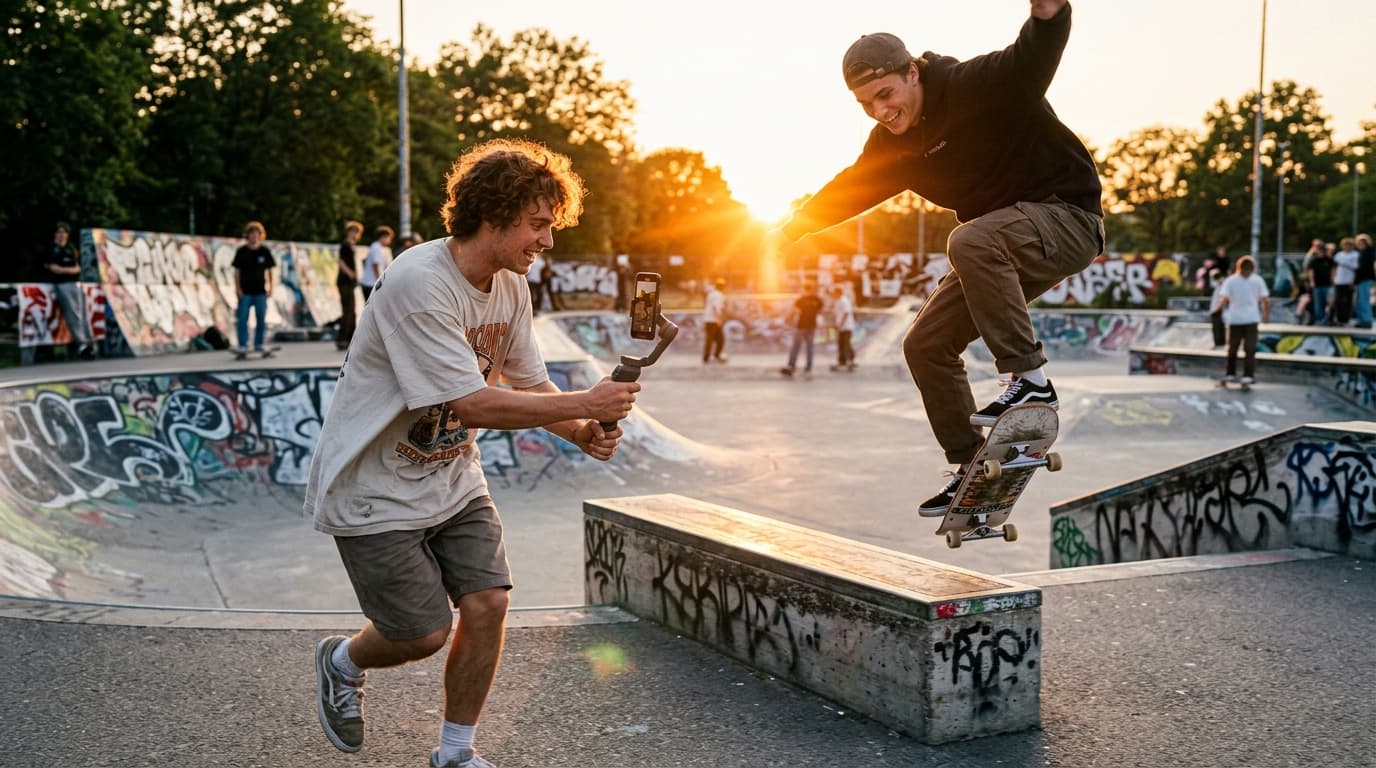
A bystander's hilarious reaction at a subway station, a heartwarming rescue on a busy downtown street, or an astonishing public dance routine can skyrocket to fifty million views in twenty-four hours. For creators holding the camera, the immense financial upside of rights-cleared viral footage licensing is palpable. Yet the most persistent question preventing videographers from cashing in is deceptively simple: Do you need a signed model release from every recognizable person on screen to sell your clip?
The answer depends entirely on how, where, and to whom your video is licensed. By understanding the critical boundary between right of publicity laws and editorial freedom, you can monetize public viral moments without risking legal liability or missing out on five-figure payouts.
The Legal Foundation: Right of Publicity vs. First Amendment
Every individual possesses a legal right known as the "Right of Publicity." This legal doctrine prevents unauthorized commercial exploitation of an individual's name, image, likeness, or voice for commercial trade purposes.
However, the law draws an uncompromising distinction between commercial trade and public reporting:
1. The Editorial Exemption (No Release Required)
When footage is used to inform, educate, report news, or document public events, it qualifies under the editorial exemption. In public spaces where individuals have no reasonable expectation of privacy: - News broadcasts (CNN, ABC, Sky News) do not require signed model releases from bystanders. - Documentary features and educational television specials can license public footage freely without obtaining signatures from incidental pedestrians. - TV clip shows and satirical commentary programs often rely on editorial commentary doctrines to broadcast public reactions without formal releases.
2. The Commercial Advertising Standard (Model Release Mandatory)
When footage is licensed to endorse a commercial brand, product, or service in a paid media campaign: - The editorial exemption ceases to apply. - Using someone's recognizable face in a Nike, Samsung, or Geico commercial without their written consent constitutes commercial misappropriation. - Global advertising agencies and corporate legal departments will immediately reject any footage featuring recognizable individuals unless accompanied by signed, legally binding model releases.
The 3 Commercial Tiers of Public Viral Footage
Understanding these licensing tiers enables creators to target the highest-paying buyers appropriate for each clip:
Tier 1: High-Volume News and Editorial Syndication
If your video captures a spontaneous public event without signed releases: - Target broadcast networks, digital newsrooms, and docuseries producers through CreatorScale. - License fees typically range from $500 to $3,500 per placement, with transactions closing within hours of the event.
Tier 2: TV Clip Shows and Digital Compilations
Major syndicated clip shows operate under customized clearance models: - Many compilation formats clear public footage by obtaining retrospective releases, offering small nominal honorariums to featured individuals. - In instances where a secondary bystander cannot be located, post-production teams can digitally blur unreleased faces, preserving the clip's commercial viability while eliminating legal risk.
Tier 3: Global Commercial Brand Campaigns ($10,000+)
The pinnacle of footage monetization lies in national and global commercial advertising: - If you film a spontaneous moment featuring friends, family, or consenting strangers, obtain a digital model release immediately on your smartphone. - Having signed releases on file instantly elevates the commercial valuation of your clip from hundreds of dollars to tens of thousands.
Practical Steps to Protect and Monetize Your Public Footage
To maximize your revenue while maintaining total legal compliance, implement these proven creator practices:
- Keep a Mobile Model Release App Ready: Download a standard digital model release app on your phone. If a spontaneous moment occurs involving willing participants, secure their digital signature and email address on the spot.
- Never Upload Watermarked or Heavily Cropped Copies: Buyers require unadulterated master files. Retain native camera files with complete audio and raw video data.
- Protect Your Copyright Against Scrapers: The second a public video begins trending, activate automated copyright enforcement through CreatorGuard. This prevents viral aggregators from monetizing your video without permission while you negotiate licensing deals.
- Archive Your Verified Catalog with ContentVault: Upload your rights-cleared public footage to ContentVault to ensure global advertising directors and television researchers can discover your clips year-round.
Why Broadcasters and Brands Trust CreatorVault
Unverified footage represents an existential liability for major commercial brands and corporate legal departments. Powered by WooGlobe's world-renowned viral library heritage, CreatorVault conducts exhaustive rights verification on every submission. We verify ownership, validate chain of custody, oversee model clearances, and negotiate high-value commercial brand licensing deals that return transparent royalties directly to creators.