Food Hacks & Street Food Videos: How Recipe Publishers License Viral Kitchen Clips
Discover how viral street food videos and ingenious kitchen hacks can be licensed to global recipe publishers, kitchen appliance brands, and TV shows.
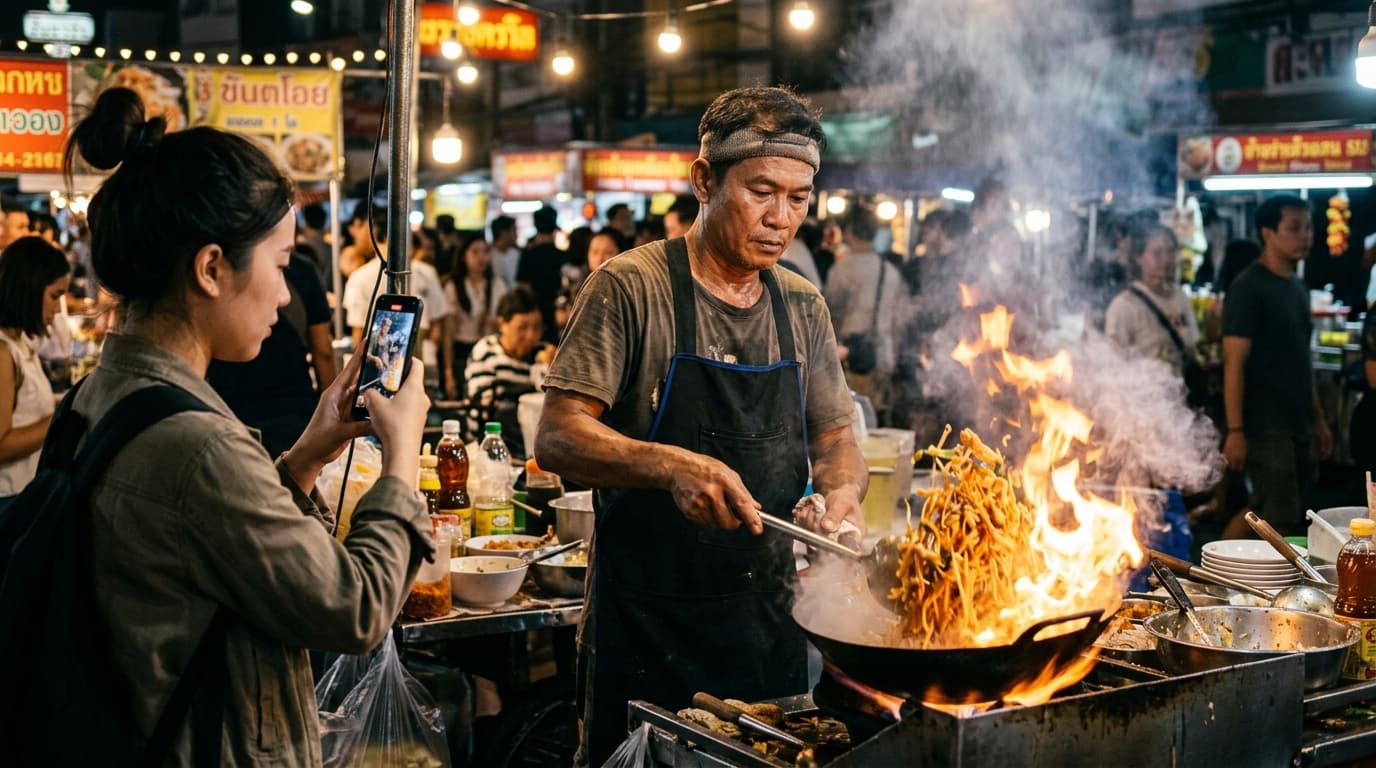
From sizzling night-market woks in Bangkok and astonishing street food knife skills to ingenious three-ingredient microwave dessert hacks, culinary content is the undisputed king of digital engagement. Food videos possess an inherent universal appeal that completely transcends language, borders, and demographics. Yet while food bloggers and casual kitchen creators often measure success in social media likes and shares, the immense financial upside of rights-cleared viral footage licensing remains largely untapped. Major digital recipe publishers, global food conglomerates, supermarket chains, and kitchen appliance manufacturers routinely pay premium licensing fees to acquire authentic, mouth-watering kitchen clips.
Learning how to license and protect your viral food and street culinary footage allows you to turn everyday kitchen creativity into a continuous, high-yielding revenue stream.
Why Culinary and Recipe UGC Generates Massive Licensing Demand
Food content is uniquely monetizable across multiple global media industries due to three core factors:
1. Unmatched Retention and Sensory Appeal
The sizzle of searing steak, the stretch of melted cheese, or the hypnotic precision of a street vendor chopping noodles triggers deep sensory reactions in viewers. Digital media networks know that food videos achieve some of the highest watch times and completion rates in the digital publishing industry.
2. High Demand from Digital Recipe Publishers
Major food media brands—such as BuzzFeed Tasty, Delish, Food Network Digital, and international lifestyle syndicates—publish hundreds of video compilations each month. Instead of staging hundreds of recipes in commercial test kitchens, they rely heavily on licensing verified user-generated food hacks and authentic culinary moments from creators worldwide.
3. Commercial Appliance and Grocery Brand Integration
Appliance manufacturers (air fryers, blenders, stand mixers) and multinational food brands love showcasing real people achieving incredible culinary results. Licensing authentic creator footage for television ads and paid social campaigns delivers higher consumer trust at a fraction of the cost of traditional commercial food styling.
The Top 4 Food Video Formats Buyers Pay For
To maximize the commercial viability of your culinary footage, focus on capturing these in-demand formats:
- Ingenious Kitchen Hacks: Simple, surprising solutions to common cooking challenges (e.g., peeling garlic in seconds, cutting pastries with dental floss, or unconventional waffle iron recipes) consistently generate viral reach and commercial licensing interest.
- Hypnotic Street Food Preparation: Capturing authentic street chefs demonstrating rapid culinary craftsmanship, colossal cooking vessels, or theatrical open-flame cooking attracts global television documentary and travel producers.
- Sensory Macro and ASMR Cooking: High-fidelity audio recordings capturing the crisp crunch of bread, sizzling garlic in olive oil, or the rhythmic chop of fresh herbs command premium rates for commercial advertising.
- Spectacular Kitchen Disasters: Epic baking fails, blender explosions, or failed pancake flips possess enormous value for syndicated comedy shows and viral TV compilation formats.
4 Essential Rules to Make Your Food Videos Commercial-Ready
To turn your kitchen recordings into valuable commercial licensing assets, implement these practical production standards:
1. Capture Pristine Macro Audio (Ambient Sizzle)
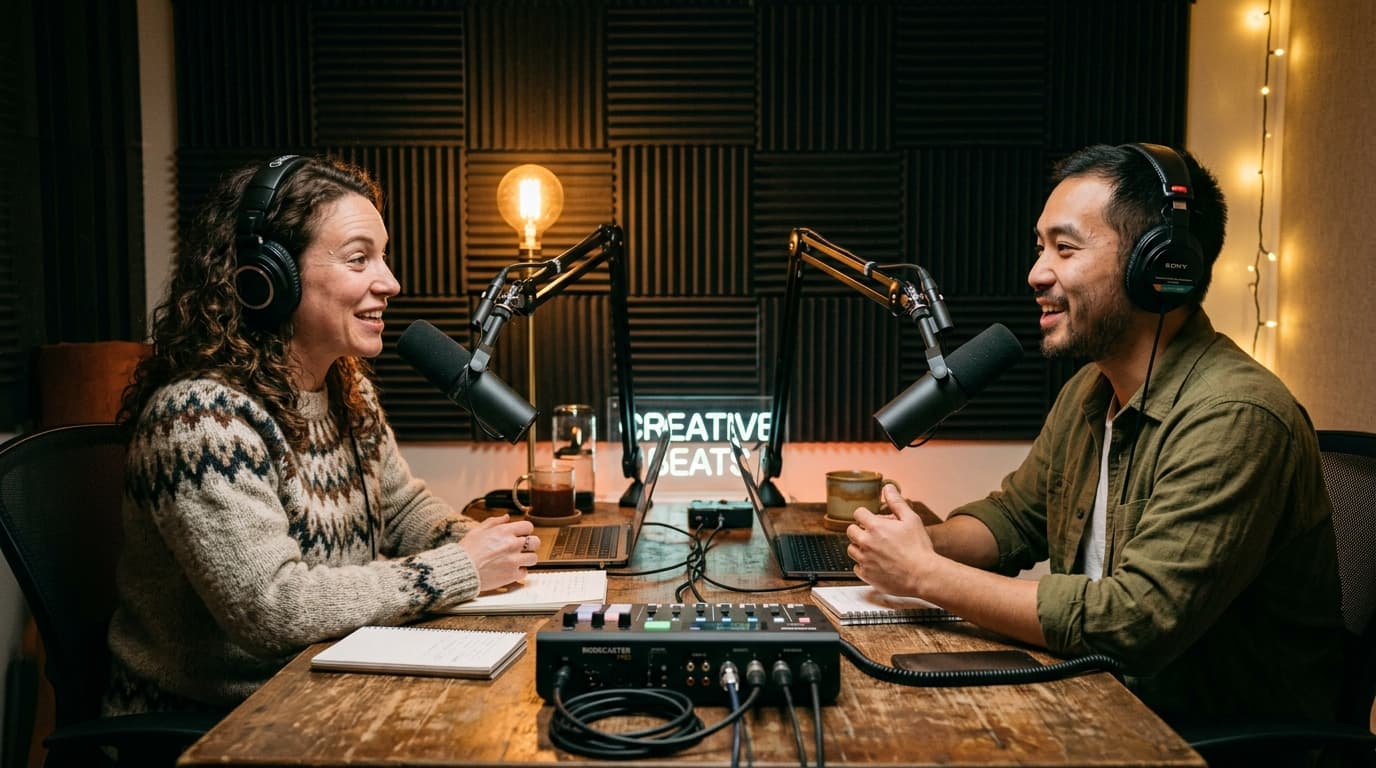
Sound is half of the culinary experience. Capture high-quality ambient audio using an external microphone. Never talk over the action or allow loud commercial background music to ruin the natural sounds of cooking, as buyers need clean audio stems for commercial remixing.
2. Avoid Embedded Text and Burned-In Captions
Always save a clean, unedited camera master free from TikTok text bubbles, auto-generated subtitles, or sticker overlays. International publishers broadcast in multiple languages and require clean video tracks to add localized graphics.
3. Protect Your Culinary Assets Against Repost Scraping
Popular food hacks are notoriously targeted by content scrapers and repost aggregator accounts on Facebook and Instagram. Deploy CreatorGuard immediately to detect unauthorized reuploads, assert your copyright across Meta and YouTube, and reclaim stolen ad revenue automatically.
4. Syndicate Your Food Library via Enterprise Channels
Don't let your video gather dust on an SD card. Syndicate your catalog through CreatorScale to reach digital recipe networks and television producers worldwide, and index your master files in ContentVault where advertising agencies search for culinary footage.
The WooGlobe Difference in Culinary Media Licensing
Creating extraordinary culinary video requires real passion and technical craft. You deserve an enterprise licensing partner that values your intellectual property. Backed by WooGlobe's world-renowned viral library heritage, CreatorVault connects your culinary and street food footage with major recipe publishers, corporate brands, and television networks. We handle rigorous rights verification, negotiate top-tier commercial brand licensing agreements, and guarantee transparent royalties so your kitchen creations continue generating income long after the meal is served.