Pitching Your Video Archive to Emmy-Winning Documentary Filmmakers
Learn how independent filmmakers, streaming docuseries, and archival researchers license viral creator footage for high-paying cinematic productions.
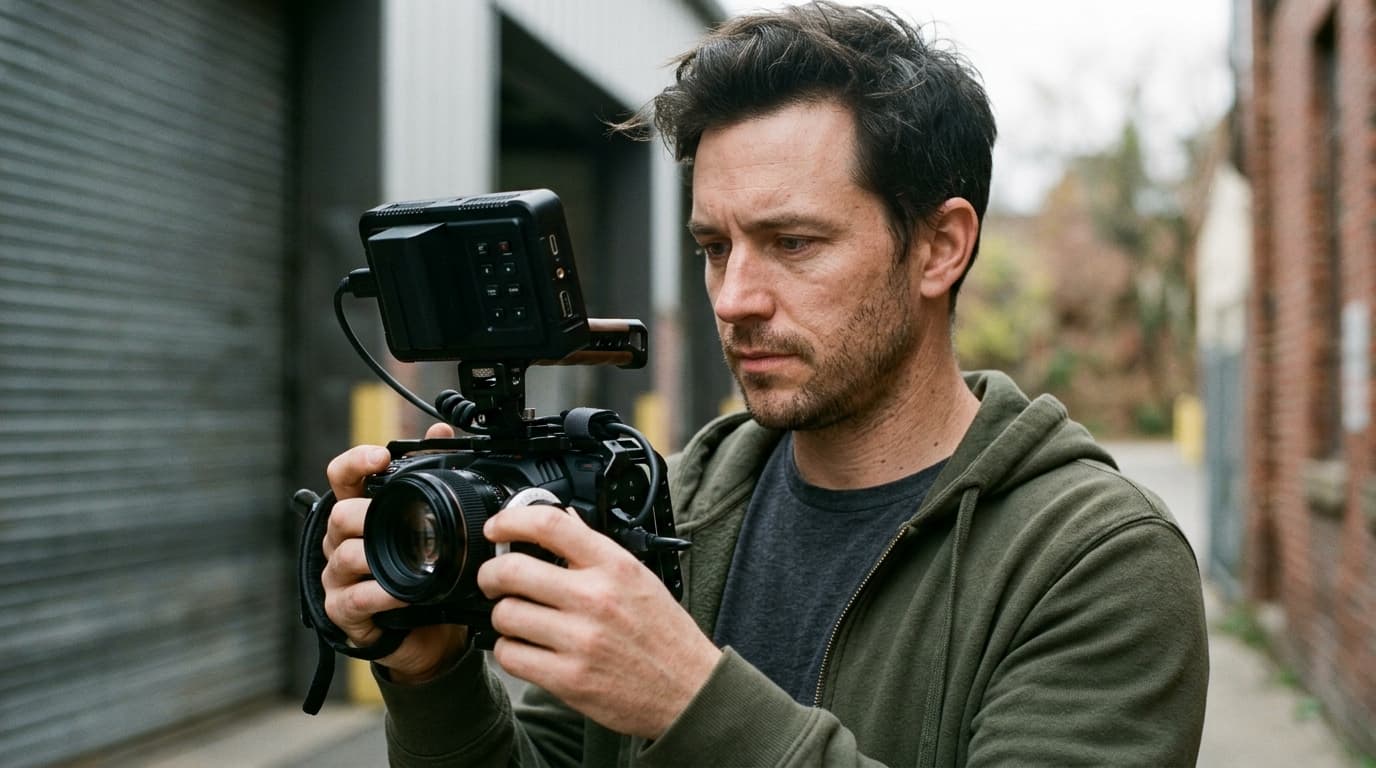
From award-winning feature documentaries on Netflix, HBO, and Apple TV+ to hard-hitting investigative series on PBS Frontline and the BBC, modern nonfiction cinema relies fundamentally on archival user-generated content. Directors no longer want retrospective talking heads recounting events in isolation; they demand authentic, first-person verité footage filmed in the heat of the moment. For videographers, drone operators, and citizen journalists holding original archives, understanding the immense financial upside of rights-cleared viral footage licensing in the documentary sector is a game-changer.
Documentary productions operate with dedicated archival clearance budgets, offering per-second licensing rates and worldwide festival buyouts that can transform a forgotten hard drive into an ongoing financial asset.
Why Premium Nonfiction Filmmakers Depend on Creator Archives
Nonfiction storytelling is experiencing an unprecedented golden era fueled by streaming competition. Documentary filmmakers actively seek raw creator footage to satisfy three core creative demands:
1. Visceral First-Person Realism
When a natural disaster, social movement, subculture phenomenon, or technological breakthrough occurs, phone footage and amateur camera captures deliver an emotional immediacy that staged recreations cannot match. Audiences trust raw verité clips because they are unvarnished and real.
2. Filling Historical and Visual Narrative Gaps
Documentarians frequently spend months researching stories that unfolded years prior. Finding authentic footage recorded during a specific week, at an exact location, or capturing a unique cultural phenomenon is often the difference between a project getting greenlit or abandoned.
3. Satisfying Strict Errors & Omissions (E&O) Insurance
Major streaming networks like Netflix and theatrical distributors mandate that every second of footage in a documentary carry comprehensive Errors & Omissions (E&O) insurance. If a single unverified clip slips into an edit, the entire film cannot be distributed. Directors must work with verified rights-cleared libraries to secure clean title and full legal clearance.
The Economics of Documentary Clip Licensing
Licensing video to documentary productions involves sophisticated rate structures that reward creators based on usage and distribution scope:
Per-Second Licensing Rates
Documentary archival licensing is commonly billed on a per-second basis, typically subject to a thirty-second minimum guarantee: - Film festival and educational rights: $35 to $75 per second. - Domestic broadcast and premium streaming (e.g., single territory): $75 to $150 per second. - Worldwide, all-media, perpetual rights (including theatrical, streaming, and home video): $150 to $350+ per second.
A single two-minute scene constructed from your verified archive can easily yield $10,000 to $30,000 in upfront licensing royalties.
Option Agreements and Step Deals
Indie documentary directors frequently negotiate option agreements during early development. They pay a non-refundable upfront deposit (e.g., $500 to $1,500) to reserve exclusive synchronization rights for twelve to twenty-four months while assembling financing. When the documentary is sold to a major distributor, the full commercial license triggers, unlocking the larger backend windfall.
4 Rules to Prepare Your Video Catalog for Documentary Clearances
To make your archival footage irresistible to documentary archival researchers and clearance coordinators, adopt these professional practices:
1. Preserve Uncompressed Native Master Files
Never rely on compressed downloads from social media. Archival researchers require original ProRes, 4K MP4, or camera-raw master files with full dynamic range and unaltered native audio for color grading and sound design.
2. Catalog Accurate Temporal and Geolocation Metadata
Documentary storytelling hinges on factual accuracy. Label your video files with exact dates, locations, context notes, and technical specifications (frame rate, resolution, camera model). Clips with verifiable metadata command significantly higher interest from research teams.
3. Protect Against Digital Piracy and Content Scraping
Ensure your clips are not circulating uncredited across social aggregators. Use CreatorGuard to detect unauthorized reuploads, assert your original copyright, and safeguard your film clearance value.
4. Deposit Footage into an Institutional Archive
Documentary researchers do not search Reddit or TikTok when racing against editorial deadlines; they consult verified archival databases. By indexing your footage with ContentVault, your clips become directly discoverable to top Hollywood and European documentary producers.
Institutional Archival Licensing Powered by WooGlobe
Independent creators rarely have the time or legal expertise to negotiate forty-page distributor synchronization agreements with multinational movie studios. Backed by WooGlobe's world-renowned viral library heritage, CreatorVault serves as your trusted commercial bridge to the entertainment industry. We conduct rigorous rights verification, bridge documentary projects with high-paying commercial brand licensing opportunities, and syndicate your content via CreatorScale, delivering transparent royalties and long-term prestige for your creative catalog.