YouTube Content ID vs. DMCA Takedown: Which Makes You More Money?

Compare YouTube Content ID monetization claims against standard DMCA takedowns to discover which copyright strategy maximizes revenue and security for video creators.
When you spot an unauthorized scraper channel reuploading your video, your initial emotional reflex is swift retribution. You want the offending channel struck down and the stolen video deleted from the platform immediately. For decades, the Digital Millennium Copyright Act (DMCA) has served as the default enforcement weapon for creators defending their intellectual property. But while filing a takedown notice delivers a quick dopamine hit of justice, it frequently proves to be an expensive financial mistake.
In today's digital media economy, copyright protection is no longer just a defensive legal shield; it is a vital revenue growth channel. Understanding the operational and economic differences between filing a manual DMCA takedown and executing an automated YouTube Content ID monetization claim can mean the difference between losing five figures in royalties and establishing a reliable monthly income stream.
The Costly Flaws of Traditional DMCA Notices
A standard DMCA takedown notice is a formal legal demand requiring a web host or platform to remove infringing material. While effective at taking down offending files, the traditional DMCA process comes with severe strategic drawbacks for professional creators:
- Complete Revenue Loss: A takedown simply deletes the video. Any advertising revenue generated by those views prior to deletion is forfeited or refunded to advertisers; you receive zero dollars.
- High Administrative Friction: Filing takedowns requires manual URL hunting across multiple platforms, submitting formal statutory declarations, and exposing personal contact details to anonymous scrapers.
- Risky Counter-Notification Cycles: Bad actors often exploit the DMCA process by submitting bad-faith counter-notices, forcing you to either initiate federal court litigation or watch the stolen video get restored.
The Power of YouTube Content ID Monetization
YouTube Content ID approaches unauthorized use from an entirely different economic perspective. Rather than treating reuploads as hostile threats that must be erased, Content ID turns unauthorized reuploads into decentralized syndication partners that generate revenue directly for your channel.
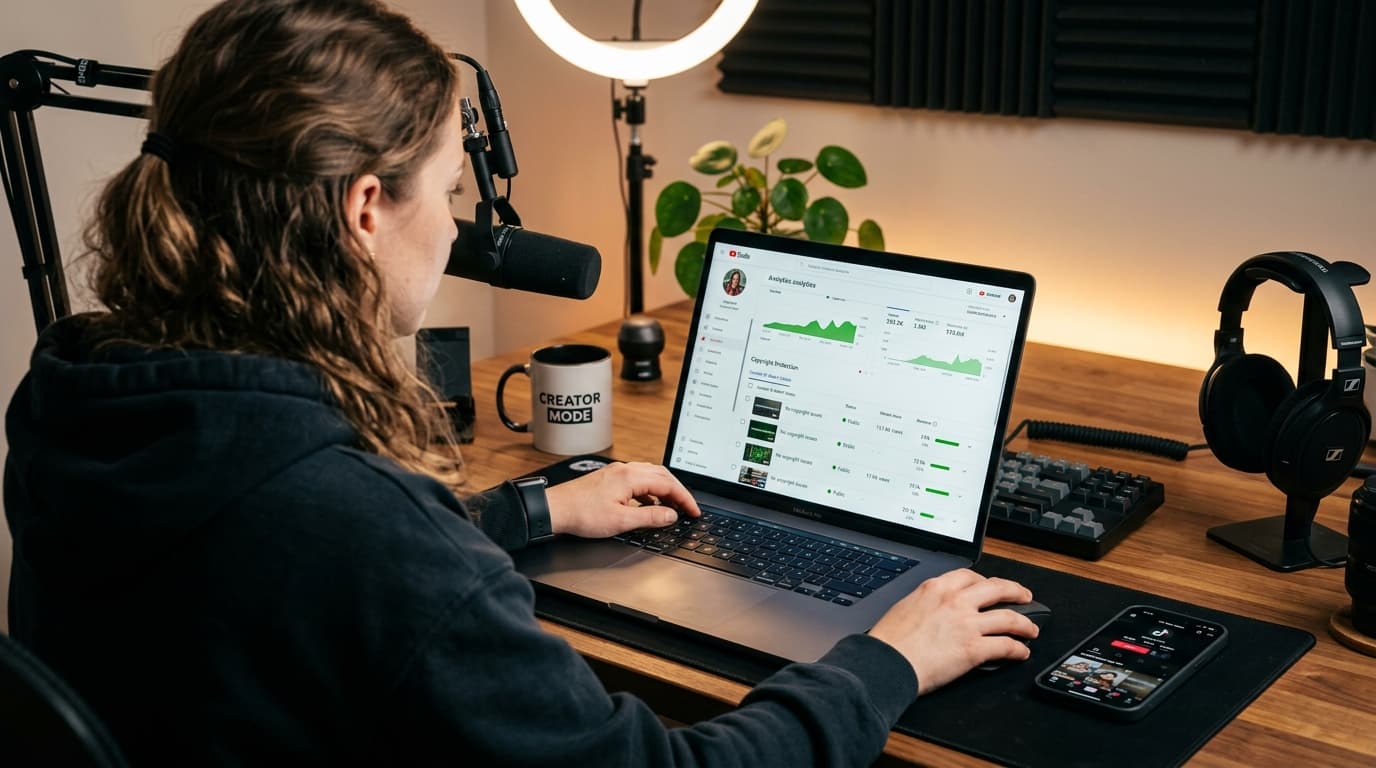
When your media catalog is registered, advanced algorithms analyze your audio and video using automated fingerprinting. When an unauthorized user uploads your clip, YouTube Content ID identifies the match instantly. Instead of issuing a punitive strike, an automated monetization claim is placed on the asset. The infringing uploader cannot earn a penny; instead, all pre-roll, mid-roll, and display ad revenue routes straight into your royalty balance.
Strategic Comparison: DMCA Takedowns vs. Content ID Claims
- Direct Financial Return: A DMCA takedown generates exactly $0 in recovered capital, whereas automated claiming captures ongoing ad revenue from every single impression.
- Operational Efficiency: DMCA requires hours of manual searching and paperwork, while automated fingerprinting monitors millions of daily uploads without human intervention.
- Cross-Platform Coverage: While DMCA is limited to single URLs, modern rights systems synchronize reference files simultaneously across YouTube Content ID and Meta Rights Manager.
Choosing the Right Strategy for Your Brand
To be clear, certain situations still warrant a firm DMCA takedown—specifically cases involving brand impersonation, defamation, or hate speech. However, for standard content scraping and view-farming, monetizing reuploads is mathematically superior to deleting them.
The CreatorVault Advantage for Modern Creators
Qualifying for YouTube's enterprise rights tools directly is nearly impossible for individual creators due to strict library size and legal thresholds. This is where the CreatorVault advantage provides decisive value. Through CreatorGuard, CreatorVault gives creators full enterprise-level access to continuous catalog protection and automated claiming across YouTube and Facebook.
Importantly, our infrastructure maintains a strict standard of zero password sharing. You never share your logins or channel credentials; all asset fingerprinting is handled through verified reference files. If you want to expand your production workflow, explore our rights-cleared library at ContentVault, or schedule a consultation with our team at CreatorVault Contact to turn copyright piracy into your newest revenue stream.