Backdated Royalties: Can You Recover Revenue from Months-Old Stolen Views?

Discovered a pirate channel stole your viral video 6 months ago? Learn how YouTube and Meta retroactive claim windows work and how to monetize stolen views.
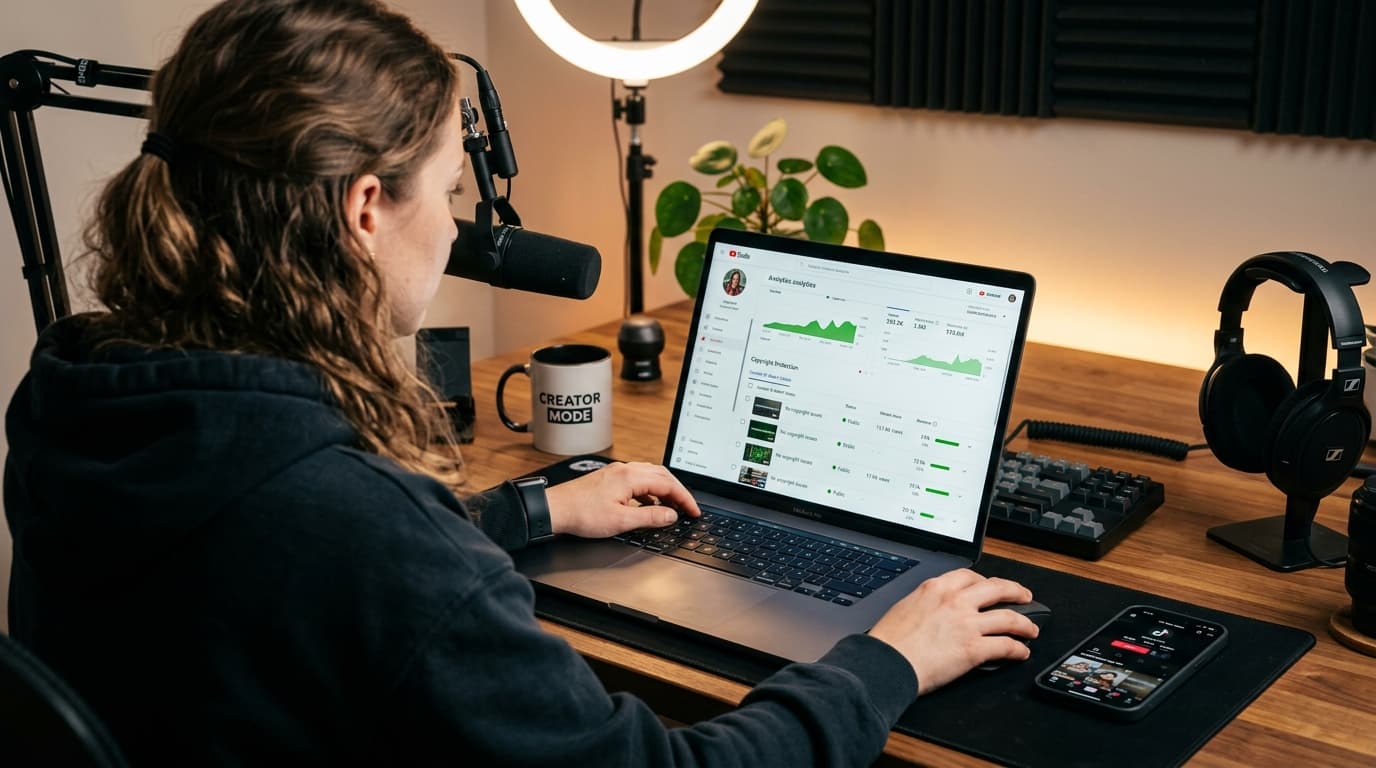
You open your analytics on a quiet Tuesday morning, only to stumble upon an infuriating discovery: an anonymous repost channel uploaded your signature long-form video six months ago. That bootleg upload racked up fifteen million views, hundreds of thousands of likes, and lucrative mid-roll ads. After the initial wave of disbelief subsides, one urgent question remains: can you actually recover that backdated ad revenue, or has that money vanished forever into someone else's bank account?
The financial stakes are massive. At standard platform CPM rates ranging between $4 and $12, a stolen video with 15 million views generates between $60,000 and $180,000 in gross advertising revenue. If you produce high-budget episodic content, losing that capital directly impairs your studio's ability to hire editors, upgrade production gear, and expand operations.
The Harsh Reality: Disbursed Revenue vs. Ongoing Earnings
To understand royalty recovery, you must first understand platform payout mechanics. Video hosting platforms operate on strict net-30 and net-60 financial disbursement cycles. Once monthly revenue calculations close and advertising checks are disbursed into a pirate channel's connected AdSense or payout profile, platforms will not claw that money back retroactively on your behalf.
- Disbursed earnings are permanently gone: Neither Google nor Meta will withdraw cash from a bad actor's private bank account to reimburse you for months-old views.
- Active ad impressions can be redirected instantly: The moment an asset is claimed, 100% of forward-looking advertising revenue shifts from the pirate channel directly to your dashboard.
- Algorithmic momentum works in your favor: Re-uploaded videos with established watch time and high search rankings continue generating passive revenue for years if monetized rather than deleted.
How Retroactive Claim Windows and Dispute Escrow Work
While you cannot claw back cash disbursed months ago, modern copyright systems offer powerful financial mechanisms for in-flight earnings. Understanding how these dispute windows operate separates amateur channel managers from professional rights administrators.
The YouTube Content ID Dispute Escrow System
When you claim an existing video using YouTube Content ID, the uploader has up to 30 days to dispute the claim. During this dispute window, ads continue running normally. However, the earned revenue is routed into a neutral escrow account rather than paid out to the pirate. If the uploader concedes, fails to appeal, or you affirm your valid copyright ownership, YouTube releases the entire accrued escrow balance directly into your account.
Meta Rights Manager Payout Redirection
Similarly, inside Meta Rights Manager, once you establish reference ownership over video and audio files across Facebook and Instagram, you can apply rules to claim ad earnings. While Meta will not reimburse historical months, setting automatic monetization rules instantly locks up all future in-stream video ads and Reels performance bonuses, redirecting the payout stream to your business profile.
The Critical Cost of Delayed Fingerprinting
The single greatest mistake creators make is relying on periodic manual audits. Research shows that viral video re-uploads capture over 75% of their total lifetime view velocity within the first 21 days of posting. Waiting six months to discover infringers means permanently sacrificing three-quarters of the total financial upside.
To prevent royalty leakage and build long-term catalog security, execute this tactical checklist: - Establish automated fingerprinting across your entire historical media archive immediately. - Enforce strict zero password sharing across your rights stack by utilizing platform-native partner permissions. - Configure default claiming policies to prioritize revenue capture over immediate DMCA takedowns whenever views remain active. - Regularly audit unassigned match queues in both YouTube and Meta dashboards before monthly payouts close.
Unlocking Historical Backlogs: The CreatorVault Advantage
This is where the CreatorVault advantage fundamentally changes the economics of digital content creation. Rather than expecting busy founders and production teams to manually hunt for bootleg clips, CreatorGuard connects your master library directly into enterprise rights databases. By deploying continuous automated fingerprinting across your legacy catalog, we identify unauthorized re-uploads within minutes of indexing.
Furthermore, our enterprise infrastructure operates under strict zero password sharing security, protecting your master channels while transforming overlooked historical content into predictable, recurring monthly royalties. With secure catalog management through ContentVault, your intellectual property remains an appreciating financial asset. If you want to audit your existing library and discover hidden royalties across YouTube and Meta, reach out to the CreatorVault Contact team today.